Advanced Live Tells vs. Online Timing Tells: How to Adapt Your Poker Betting Strategy Across Formats
When I first switched from grinding live cash games to serious online sessions, I thought my live-reading skills would carry me effortlessly. I was wrong. 😅 The core game is the same, but the way I extract information and adapt my betting strategy is completely different between live and online play.
In this article, I’ll break down how I use advanced live tells versus online timing tells, and how I adjust my betting strategy across both formats. If you’re playing both live and online—or planning to—you’ll want a framework to avoid “reading the wrong language” at the table.
Why Live Tells and Online Timing Tells Are Not the Same Language
In live poker, I get information from the physical world: body language, chip handling, eye movements, even how someone breathes. Online, those clues disappear. Instead, I’m reading:
- How fast or slow someone acts
- Bet-sizing patterns over big samples
- Use of time banks and auto-check/auto-fold
- Multi-tabling behavior and regularity
The mistake many players make is trying to treat these as equivalents. They’re not. Live tells are often subconscious leaks. Online timing tells are usually filtered through software, distractions, and multi-tabling. Each format demands its own approach to observation and betting adjustments.
Advanced Live Tells I Actually Use at the Table ♠️
Let me walk you through some of the live tells I rely on most and how I convert them into actionable betting decisions.
“Strong Means Weak, Weak Means Strong” – But Only with Context
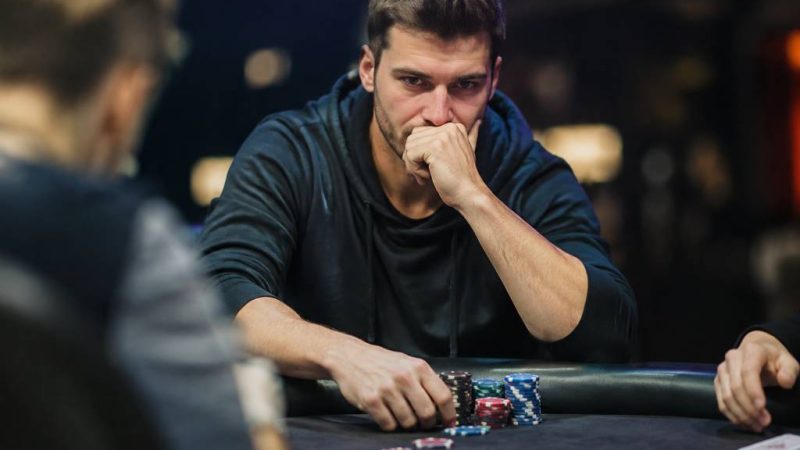
You’ve probably heard this cliché, but in practice I use it with a lot of caution. When a recreational live player starts acting especially strong after betting—loud voice, staring you down, aggressively stacking chips—that often indicates weakness or at least vulnerability.
Examples I pay attention to:
- Overly intense eye contact after betting: Often trying to intimidate. I’ll widen my calling range, especially in position.
- Sudden stillness and silence with a big hand: A lot of players “freeze” when they’re strong. Against these players, I tighten up and avoid thin value bets.
The key is that I never rely on a single instance. I test the pattern over time and start slightly shifting my betting strategy—calling a bit lighter vs. the “fake tough guy,” bluffing less vs. the statue who only moves when he’s bluffing.
Chip Handling and Bet Assembly as Information
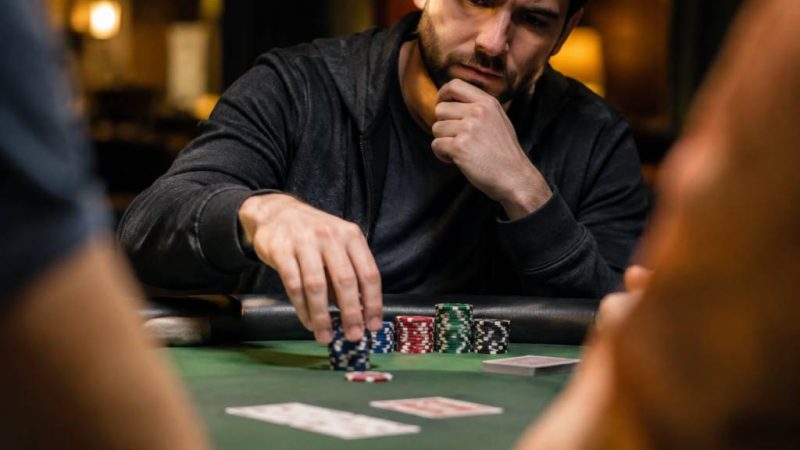
How someone physically puts chips into the pot gives me tons of data:
- Shaky hands: Contrary to what beginners think, this is often adrenaline from a big hand, not fear. If a normally calm player suddenly trembles while betting big, I tend to give them credit and avoid fancy hero calls.
- Sloppy or casual chip tossing: Recreational players who bet weak hands often toss chips in more loosely or lazily, as if they’re “just seeing what happens.” This can be a nice spot to apply pressure with check-raises or thin value bets.
- Overly careful chip stacking before betting: Lots of players “measure” their bets more with bluffs than with value, as they’re more self-conscious. I’ll test this by calling down lighter once or twice and see how often they show up with air.
In all of these cases, I’m not just “reading”—I’m changing my betting sizes and frequencies in response.
Breathing, Posture, and Conversational Tells
Some of the most reliable tells I use are subtle:
- Sudden shallow breathing after betting big: This can indicate stress; combined with other weak signals, I’ll attack these players more with raises.
- Leaning back and relaxed posture on the river: Often strength, especially if they don’t care whether you call or fold.
- Talkative vs. silent: A player who normally chats but goes dead quiet on a big river bet tends to be bluffing less often; I’ll tighten my calling range.
Again, these tells aren’t magic. I’m pairing them with my knowledge of ranges, board textures, and positions. The tells just nudge my decisions one way or another.
Adapting Live Betting Strategy Based on Tells
Once I spot a reliable pattern, I actively alter my line:
- Versus players who telegraph fear: I’ll increase bluff frequency, especially on scare cards and in position. My bet sizes may go slightly larger, since they’re looking for reasons to fold.
- Versus players who give away strength: I’ll stop bluffing into them and instead try to keep the pot small with marginal holdings while going big when I actually have it.
- Versus players with obvious tilt tells: I’ll iso-raise more preflop, use larger value bets, and take more exploitative lines instead of a balanced GTO approach.
In live games, my edge often comes from this combination: solid theoretical strategy plus targeted exploits based on specific human leaks.
Online Timing Tells: Reading the Clock Instead of the Face 💻
Online, nobody’s shaking, nobody’s staring you down, and nobody is shuffling chips. I have to read rhythm and repetition instead:
Instant Actions vs. Delayed Actions
One of the first timing patterns I watch is how quickly someone acts in different spots.
- Instant check on the flop as preflop raiser: Often means “auto-check,” frequently a missed board. I’ll probe these spots with small bets and a lot of follow-through on good runouts.
- Instant call preflop and on the flop: Often indicates a player auto-playing a portion of their range (like standard calls with broadways or middle pairs). I’ll pressure these players more on later streets where they’re uncomfortable.
- Long tank then small bet: This can be “I don’t know what to do, so I’ll stab.” Against regs, this timing is less reliable, but against weaker opponents it can be a profitable bluff-raise spot.
Importantly, I always consider technical factors: lag, multi-tabling, and distractions. Online timing is noisier than live physical tells.
Time Bank Usage and River Decisions
The time bank is where I often get the most actionable online timing tell:
- Long tank then call on the river: Frequently a bluff-catcher. If I see this repeatedly, I’ll start value-betting thinner against this player, but I’ll also bluff less when they take that exact line.
- Long tank then check on scary turn/river cards: Often a capped or uncertain range. I’ll apply pressure with bigger bets, especially in position.
- Fast fold in close spots: Some players hate using time bank; they click “fold” fast when they feel uncomfortable. I exploit this by increasing bluff frequency versus their weak-looking ranges.
As always, I need a decent sample on the specific player before I adjust too strongly.
Multi-Tabling Patterns and Regulars vs. Recreational Players
Online, I categorize opponents quickly:
- Regulars (regs): Multiple tables, standardized bet sizes, consistent timing. Their timing tells are usually subtle and less reliable, so I rely more on range vs. range logic.
- Recreational players (recs): Inconsistent bet sizes, odd lines, and spiky timing (very slow, then very fast). Timing tells are often much more meaningful here.
Versus regs, my strategy is closer to theoretically sound, with small timing-based tweaks. Versus recs, I’m happy to make large exploitative deviations: bigger value bets, overbets on scare cards, or giving up in spots where their lines scream strength.
How I Adapt My Betting Strategy Across Live and Online Formats
Even though the tells are different, my process is the same in both worlds:
- Start from a solid, balanced baseline strategy.
- Observe patterns in how each opponent plays and behaves.
- Make small, testable exploitative adjustments.
- Double down when those adjustments are confirmed profitable.
Here’s how that looks in practice.
Live: Betting Strategy Anchored to Physical Feedback
In a live cash game, let’s say I’m on the river facing a large bet:
- If the bettor looks uneasy, avoids eye contact, and their chip movement is awkward, I might expand my calling range, especially on uncoordinated boards where bluffs are natural.
- If they look relaxed, chatty, and their chips go in smoothly, I shrink my calling range and fold more of my bluff-catchers.
On the flip side, when I’m the aggressor:
- If I sense fatigue, frustration, or fear in opponents, I increase my bluff frequency.
- If I see opponents hero-ing off too light, I value-bet thinner and reduce my bluff attempts.
Live tells modify my betting lines street by street, often letting me deviate heavily from a default GTO approach because I’m exploiting real human weaknesses.
Online: Betting Strategy Anchored to Data and Timing
Online, with no physical feedback, I base my strategy more on population tendencies and HUD/hand-history data (where allowed), with timing as a secondary factor.
Typical adjustments I make:
- Versus players who tank and then call a lot: I value-bet larger and more often, but drastically reduce large river bluffs.
- Versus fast-folding players who hate tough spots: I add more small and mid-sized bluffs across all streets, especially when my line credibly represents strong value.
- Versus instant c-bet and instant turn barrel players: I float more flops and raise more turns, especially where the board hurts their perceived range.
Because timing online can be polluted by external factors (phone, TV, dozens of tables), I avoid overreacting to a single instance and look for repeatable patterns.
Training Yourself and Choosing the Right Tools 🛠️
Improving at reading tells in either format is a skill you can train:
- For live play: I recommend keeping mental notes (or discreet written notes) on repeat opponents, focusing on what they showed down after a weird behavior. There are also books and live training courses dedicated specifically to live tells.
- For online play: Use tracking software and HUDs where allowed. Review sessions, mark hands where timing influenced you, and see if your reads were accurate. Over time, you’ll calibrate your instincts.
If you’re serious about both formats, investing in a decent card protector, a comfortable live setup (chips, mats, etc.), and solid tracking software for online games is worth every cent. My personal edge comes from treating both arenas like different games that share the same rules, but not the same information channels.
Mastering live tells and online timing tells isn’t about becoming a mind reader. It’s about stacking small informational edges on top of solid strategy, then letting those edges guide your betting decisions more precisely—whether you’re staring at a monitor or across the felt. ♣️