


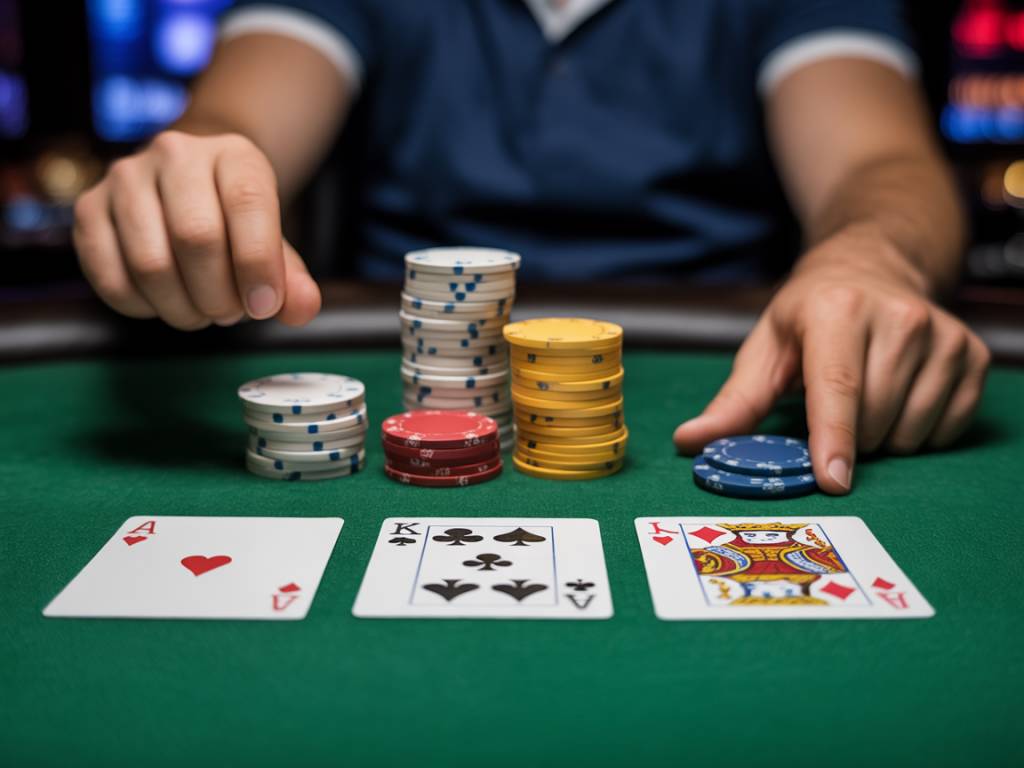
When I first started grinding online poker, I thought winning was all about memorizing charts and running sick bluffs. Over time, I realized something far more powerful: if I can decode how my opponents bet, I can often see their cards without ever turning them over. In online poker, betting patterns are the closest thing we have to “live tells” – and learning to read them is one of the biggest edges you can develop. ♠️
Why Betting Patterns Matter More Online
In live poker, I can watch body language, breathing, and hand movements. Online, all that disappears. What I’m left with are:
- Bet sizing
- Timing of decisions
- Frequency of actions (raise, call, fold)
- Position and stack sizes
Those elements form a language of their own. When I pay attention consistently, I start recognizing recurring habits: who bluffs too much, who never bluffs, who can’t fold top pair, and who only plays monsters. Reading betting patterns is about turning those vague impressions into clear, actionable reads. 🎯
The Core Idea: Consistency vs. Deviation
The key concept I always come back to is this: I don’t just look at a single bet; I compare it to how that player usually behaves.
If somebody usually:
- Opens 2.2x preflop
- C-bets small on the flop (25–33% pot)
- Gives up often on the turn
And suddenly they:
- Open 4x from early position
- Barrel big on flop and turn
- Use an unusually large river bet
That deviation screams strength. Reading betting patterns isn’t about memorizing a chart of “X bet size = Y hand.” It’s about identifying a player’s baseline and noticing when they break it.
Preflop Patterns: Who’s Tight, Loose, and Dangerous
Preflop is where I build my first rough model of each opponent. Over a few orbits, I track:
- Open-raise size: Do they always raise the same size, or do they change it based on hand strength?
- Frequency of open-raises: Are they entering lots of pots or only a few?
- 3-bet tendencies: Who is aggressive versus who just calls or folds?
- Position awareness: Do they tighten up in early position and loosen up on the button?
Some classic preflop patterns I constantly exploit:
- Big raise = big hand: Recreational players often raise 3x with marginal hands but suddenly jump to 4–5x with AA/KK. When I see this, I tighten my calling range or look for thin value when I flop strong.
- Only 3-bets premium: If a player almost never 3-bets, then suddenly 3-bets from the blinds, I assume a very strong range (JJ+/AK). I don’t try to “outplay” them with junk unless stacks and positions give me a clear reason.
- Serial limper: A player limping often is usually weak or capped. When I’m in position with a decent hand, I isolate them with larger raises and attack their passivity postflop.
If you use a HUD or tracking software, stats like VPIP, PFR, and 3-bet percentage help confirm what you’re already seeing. But even without tools, simple observation across a few orbits goes a long way. 🧠
Flop Patterns: C-Bets and Check Behavior
The flop is where betting patterns really start to tell a story. I pay close attention to:
- C-bet size
- C-bet frequency
- Board texture (dry vs. wet)
- Position (in or out of position)
Some patterns I see constantly:
- The auto-c-bettor: This player c-bets nearly every flop, regardless of texture. Against them, I:
- Float more often in position with backdoor equity
- Raise occasionally on dry boards as a bluff
- Slow-play strong hands to let them keep firing
- The “honest” checker: This type usually c-bets when strong and checks when weak. When I see a player who:
- C-bets 1–2 streets with strong hands
- Checks and folds a lot when they miss
I start stabbing aggressively every time they check as the preflop raiser.
- Size gives it away: Many low- to mid-stakes players:
- Bet small with weak or marginal hands (1/3 pot)
- Bet big with strong hands (2/3 pot or more)
When I notice this pattern, big bets get extra respect, and small bets get attacked more.
Turn Patterns: Who Gives Up and Who Barrels
The turn is where motivations become clearer. By now, pots are larger and decisions matter more. I pay attention to:
- How often they double barrel after c-betting the flop
- Whether their turn bet sizes differ with value vs bluffs
- How board-changing cards (overcards, flush completes, straight cards) affect their aggression
Some turn patterns I love exploiting:
- Flop warrior, turn coward: Some players fire once and then give up unless they’re very strong. When I see someone c-bet a lot but barrel turn rarely:
- I call more flops with the plan to steal on the turn
- I bet when they check turn after c-betting flop, especially in position
- Turn size spike = strength: A common live and online leak: small flop bet, big turn bet when they improve. For example:
- Flop: 1/3 pot
- Turn (after safe card): 80–100% pot
When they’ve been cautious all session and suddenly “go for it,” I assume they have it more often than not.
- Scared of scary cards: Some players shut down when the board gets dangerous (third flush card, four to a straight). If they only bet strong on safe turns and check scary ones, I start bluffing those scary cards mercilessly.
River Patterns: Who Overbluffs and Who Never Bluffs
By the river, ranges are more defined. I focus on two simple but crucial questions:
- Does this player ever bluff big on the river?
- Do their river bet sizes correlate with nutted hands?
Here are some river tendencies I constantly use to make big decisions:
- Never-bluffer: Many recreational players almost never fire big river bluffs. If someone has:
- Check-called earlier streets
- Suddenly overbets river
And I’ve never seen them bluff, I make tighter folds – even with strong one-pair hands.
- Mismatched story: Sometimes the line doesn’t make sense. For example:
- They check-call flop on a wet board
- Check-call turn again
- Suddenly bomb river when a brick falls
If the line doesn’t credibly represent a strong hand, I lean toward calling more often.
- Blocker bets: A small river bet (like 20% pot) is often a weak or medium-strength hand trying to set its own price for showdown. I respond by:
- Raising as a bluff sometimes when draws miss
- Calling lighter when my hand comfortably beats their likely marginal holdings
Timing Tells in Online Poker ⏱️
Timing isn’t as strong a tell online as in live poker, but patterns still matter. I look at:
- Snap actions: Instant checks or calls often indicate a pre-decided line or a marginal hand. Snap-bets can be either nutted or bluff, depending on the player.
- Long tanks: A long pause followed by a big bet can often mean:
- They’re debating whether to bluff
- They’re unsure about thin value
I combine this with their overall style: nits tend to tank and still fold or bet small; aggressive regs tank and go for it.
Just remember: timing can be unreliable due to distractions, multi-tabling, or connection issues. I treat timing as a supporting detail, not the main pillar of my decision.
Adapting to Player Types
Decoding betting patterns is much easier when I first slot opponents into broad categories:
- Nit: Plays few hands, rarely bluffs, straightforward sizing. Against nits:
- I fold more when they show big aggression
- I steal their blinds a lot
- Calling station: Hates folding, calls down light, rarely bluffs. Against them:
- I value bet thinly
- I avoid big multi-street bluffs
- Maniac: Overbluffs, bets big frequently. Against maniacs:
- I widen my calling ranges
- I set traps and let them hang themselves
- TAG/Reg: Solid, disciplined, thinking players. Against regs:
- I mix up my own bet sizes and lines
- I pay attention to range vs range, not just single patterns
Protecting Your Own Betting Patterns
If I’m reading others, they can read me too. To avoid being an open book, I work on:
- Balancing ranges: I use similar bet sizes with bluffs and value hands in the same spot.
- Consistent preflop sizing: I don’t raise bigger just because I picked up aces.
- Occasional mix-ups: I sometimes:
- Check strong hands
- Bet small with monsters
- Overbet with bluffs and value in the same situation
This doesn’t mean playing like a robot. It means making sure nobody can look at my bet size and instantly guess my hand strength.
Training Your Eye: How to Practice Reading Patterns
To sharpen my ability to read betting patterns, I approach sessions like study time, not just gamble time. Some habits that help:
- Table notes: I tag players and write quick comments:
- “Overbets river with nuts”
- “Only 3-bets AA/KK”
- “C-bets every flop, gives up turn”
- Review hands after sessions: I look at big pots and ask:
- What did their line say?
- Did their bets tell the truth or lie?
- Could I have inferred more from their pattern?
- Use software and tools: Hand histories, trackers, and solvers help me:
- Spot my own exploitable patterns
- Understand what balanced betting should look like
- Compare real villains’ lines to theoretically sound ones
When I combine deliberate study with real-time focus, opponents stop being “randoms on the internet” and start looking like readable characters in a book I’ve already skimmed. 📘
In online poker, I can’t see faces or hear voices—but I can always see bet sizes, frequencies, and timing. Once I treat those as a language, the game becomes far less mysterious and far more profitable.