


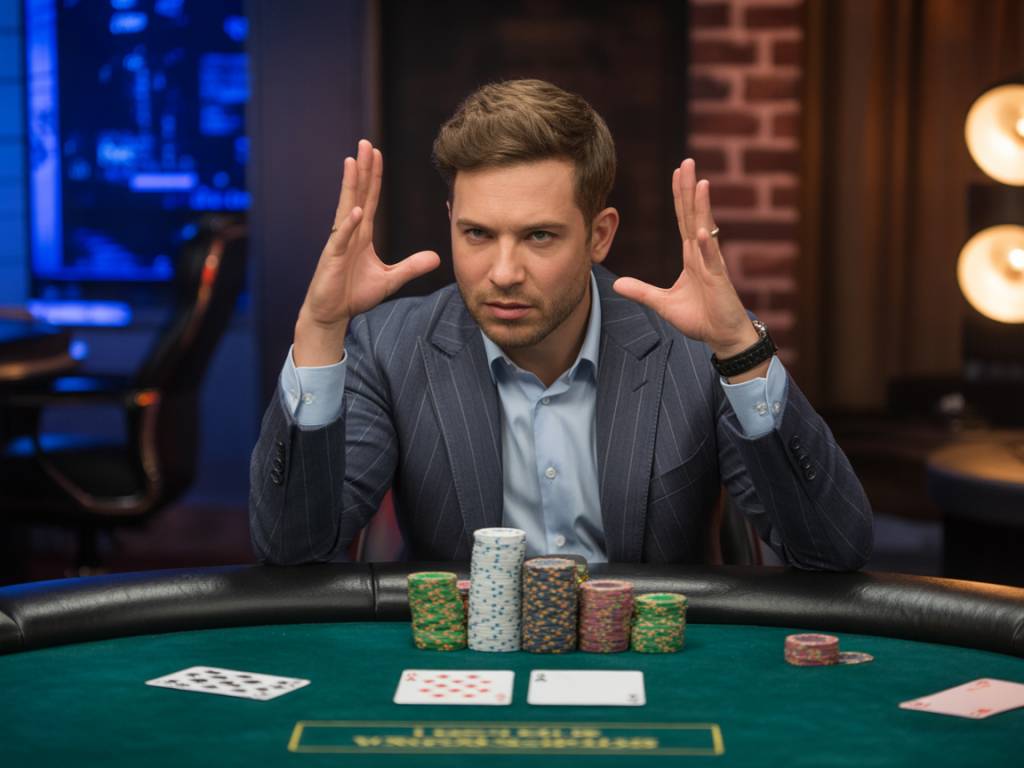
When I sit down at a poker table—live or online—I’m not just playing my cards. I’m playing people. The chips, the board, the ranges… all of that matters, but the real edge often comes from the tiny behavioral clues other players give away without realizing it. Those clues are what we call “tells,” and when used correctly, they can turn marginal spots into profitable decisions 💰.
What Poker Tells Really Are (And What They’re Not)
Tells are deviations from a player’s “normal” behavior that correlate with hand strength or weakness. They can be physical (live), timing-based, or related to bet sizing and patterns (both live and online).
What they are not: magic. A single tell almost never gives you a perfect answer. Instead, I treat tells as supporting evidence layered on top of solid strategy, ranges, and math. If I’m already 60/40 on a decision, a strong tell might push me to act with confidence.
So the mindset I use is:
- Base decision on ranges, positions, and pot odds first.
- Use tells to tip close decisions one way or the other.
- Never rely on one tell in isolation.
Live Poker Tells: Reading Humans in Real Time 😎
Live poker is where tells are the most visible. You’re getting visual, audio, and emotional data every single hand. Here are some of the categories I actively watch at the table.
Physical Tells: The Body Never Lies for Long
Physical tells can be powerful, but they’re also very player-dependent. I always establish a baseline first: how does this player look, move, and act in “normal,” low-stress pots? Only then do I flag deviations.
Some classic live tells I’ve used profitably:
- Shaking hands when betting big – Often genuine nerves from having a big hand, not a bluff. Adrenaline hits harder with value than with air for most recreational players.
- Staring at the board – Many players who are bluffing look at opponents; players strong on the board often stare at the flop/turn/river as if admiring it.
- Sudden stillness – A player who was relaxed and chatting suddenly goes statue-still when they hit a monster. They’re trying not to “give it away.”
- Chip fumbling or clumsy handling – Nervousness can indicate either strength or weakness, but if I’ve seen them calm in other spots, the contrast matters.
Key point: I never overreact to a single instance. I look for patterns over time and match them to the player type (recreational vs. reg, introverted vs. loud, etc.).
Verbal Tells: What They Say vs. What They Mean 🗣️
Verbal tells are some of my favorites because many players can’t resist talking, especially when uncomfortable. There’s a rough rule I use: weak means strong, strong means weak – though, of course, not always.
- “Be careful, I got you this time.” – Very often strength disguised as weakness. They’re subtly begging for a call.
- “You probably got me.” while calling – Commonly a strong hand trying to appear uncertain.
- Overexplaining – When someone tells a “story” about why they’re betting, especially mid-hand, they’re often bluffing or uncomfortable.
- Sudden silence from a talkative player – Often strength. They don’t want to disturb their good situation.
When I engage players verbally, I watch not just what they say, but how quickly, how confidently, and whether their tone matches the story they’re telling with their bets.
Betting Pattern Tells: The Story in the Chips
Bet sizing and action are the most reliable form of “tells” because they’re directly tied to strategy. They matter in both live and online games.
Some patterns I constantly track:
- Big bets from scared money – Recreational players who are uncomfortable with large pots rarely bluff for big sizes. When they do go big, it’s often a very strong hand.
- Small, “please call” bets on the river – They don’t want to scare you. Common with medium–strong hands that are worried you’ll fold.
- Check-call, check-call, donk-lead river – Frequently a missed draw bluff line or a last-ditch attempt to “buy” the river. I exploit this by calling lighter against certain players.
- Inconsistent story – If their betting line doesn’t match any credible value range, but they rep huge strength, I’m suspicious and more willing to call.
Even without classic “body language,” the betting sequence is often the loudest tell at the table.
Online Poker Tells: Reading the Invisible 👨💻
Online, you don’t see faces or hands (unless you’re on a live-streamed hybrid game), but that doesn’t mean you’re flying blind. Tells simply take different forms: timing, bet sizing, HUD stats (where allowed), and patterns across many hands.
Timing Tells: The Hidden Stopwatch
Timing tells are one of the most underrated weapons in online play. I pay close attention to how quickly opponents act in different spots.
- Instant check on river – Often weakness or “give up,” especially if they’ve been aggressive earlier in the hand.
- Long tank then small bet – Frequently a marginal value hand; they wanted to check but felt compelled to bet something.
- Instant shove – Recreational players with premiums often decide early they’ll “get it in” and snap-jam; more thoughtful regs tank more with big bluffs or thin value.
- Multitabling patterns – A reg playing many tables might have erratic timings that aren’t tells at all, just logistics. I’m careful not to overinterpret these.
I also make sure my own timing is balanced. I sometimes use my time bank deliberately on both strong and weak holdings so I’m harder to read.
Online Bet Sizing and Line-Tells
In online games, bet sizing is often cleaner and more systematic than live, especially for regulars. That’s exactly why deviations stand out.
- Min-bets and tiny “blocker” bets – Frequently weak or medium strength. Many players try to see cheap showdowns this way.
- Massive overbets from non-regs – Often polarized: nuts or nothing. I note who is capable of bluffing with overbets and who only does it with monsters.
- Automatic c-bet sizes – Regulars who always c-bet one size make it easier to spot when they suddenly change sizing for value or protection.
Tracking these patterns over a decent sample size is where HUDs and tracking tools (in allowed environments) become incredibly valuable. They turn “gut feeling” into data-backed reads 📊.
Creating and Exploiting Player Profiles
I don’t just collect random tells. I build mental (or written) profiles of each opponent: tendencies, emotional control level, aggression, and how they respond under pressure.
Some profiles I commonly build:
- The Nervous Value Bettor – Shakes with big hands, rarely bluffs, overbets when strong. Against them, I make big hero folds and avoid paying off river aggression lightly.
- The Ego Bluff Machine – Hates folding, loves “owning” people, talks a lot. I induce bluffs and widen my bluff-catching range, especially in pots where they feel challenged.
- The Honest Caller – Calls too wide, rarely raises without big strength. I value-bet relentlessly and avoid big multi-street bluffs.
- The Overadjusting Reg – Once they suspect I’m onto them, they swing too far in the other direction. I constantly re-adjust to stay one step ahead.
The goal is to combine tells with player type. The same physical or timing tell can mean very different things depending on who’s doing it.
Protecting Yourself: Avoid Giving Off Easy Tells
Exploiting tells is great, but it cuts both ways. I also work hard to minimize the information I give away.
- Standardize my actions – Similar bet sizing structures, similar motion with chips, same posture on every hand.
- Control my breathing and tempo – I don’t rush with bluffs or instantly act with monsters.
- Use tools online – Bet size hotkeys, similar timing on regular decisions, and mixing in some “think” time with strong and weak hands.
- Limit unnecessary table talk – When I talk, it’s usually purposeful and balanced across situations.
If you’re serious about this, a simple investment that pays off big is recording and reviewing your own live sessions (where allowed) or online hand histories. You’ll spot patterns in your behavior that opponents might already be exploiting.
Training Your Eye (and Mind) to Use Tells Profitably
Reading tells is a skill, not a talent. I’ve improved mine by treating it like any other poker discipline.
- Observe even when not in the hand – I watch showdowns closely and connect body language, timing, or bet patterns to the actual hands revealed.
- Take notes – Both live (mentally or on a break) and online (using built-in note features). “Shakes when strong,” “snap-check river with air,” etc.
- Study with intent – Books, training videos, and real-hand breakdowns that focus on psychological and behavioral edges are worth the investment if you apply them thoughtfully.
- Start small – Use tells to influence decisions in marginal spots first, rather than making wild hero calls or folds purely on a single read.
Over time, you’ll notice your “gut” is actually a trained pattern-recognition engine built from hundreds of observed hands and showdowns.
In the end, poker tells—live or online—are about turning human (or at least behavioral) information into EV. Blend them with solid fundamentals, and you’ll find yourself making more confident calls, better folds, and more precise bluffs. That’s how those subtle little clues become real money across thousands of hands 🃏.