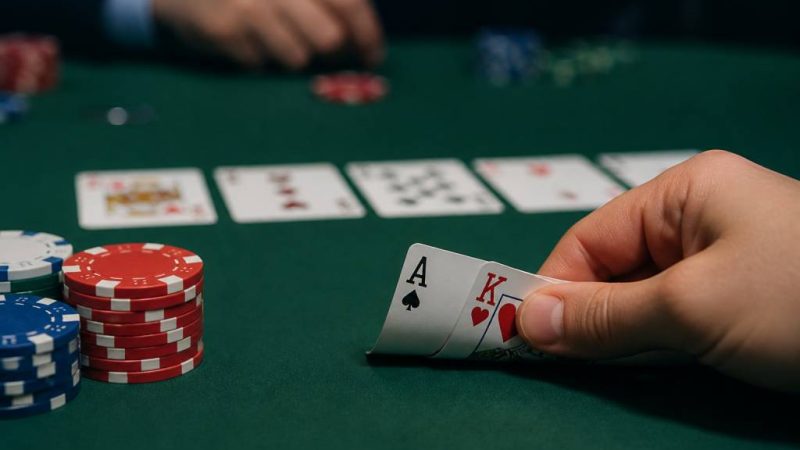
High low omaha: how I play and win with split pots 🃏💰
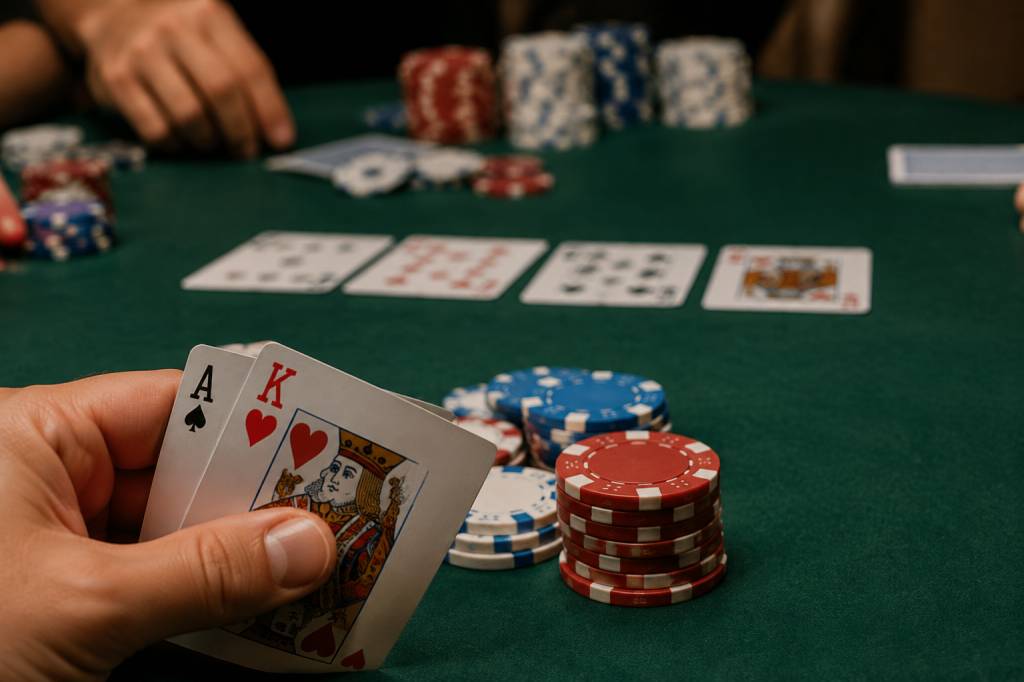
High-Low Omaha looks innocent enough at first glance. Four hole cards, a familiar Omaha board, and two pots waiting to be claimed. Simple, right? That was my first mistake. I sat down thinking I could treat it like ordinary Pot-Limit Omaha with a little bonus action on the side. Within an hour, I had managed to build a magnificent high hand, miss the low, and donate half my stack to a player holding what looked like four random grocery items.
High-Low Omaha, often called Omaha Hi-Lo or Omaha 8-or-Better, rewards players who understand one important idea: winning half the pot is useful, but winning the entire pot is where the real money lives. The best hands are not merely strong. They are flexible, disguised, and capable of improving in both directions.
Here is how I approach split-pot games, from choosing starting hands to avoiding the classic traps that make players reach for another deposit.
Understanding the Split-Pot Game
High-Low Omaha uses the same basic hand-building rule as Omaha: you receive four private cards and must use exactly two of them, combined with exactly three cards from the board. You cannot use one, three, or four hole cards. This rule causes more confusion than it should, usually at the precise moment someone is trying to calculate their outs with a pot-sized bet in front of them.
At showdown, the pot is divided between:
- The high hand: the best traditional poker hand, such as a straight, flush, full house, or four of a kind.
- The low hand: the best qualifying five-card hand containing five different ranks, all eight or lower.
A qualifying low cannot contain a pair, and aces count as low. Straights and flushes are ignored when evaluating the low, so A-2-3-4-5 is the best possible low, often called the “wheel.” The lowest card is compared first, then the next lowest, and so on. That means 7-5-4-3-2 beats 7-6-4-3-2.
If nobody can make a qualifying low, the high hand wins the entire pot. This is known as scooping, and it is the word I like to hear more than any other at the table.
Why Scooping Matters So Much
Suppose there is £100 in the middle. If you win only the high half, you receive £50. If you win both high and low, you collect the full £100, minus any applicable house fee. The difference is not simply psychological. It changes how profitable your decisions are over hundreds of hands.
This is why a hand that can win both ways is often more valuable than a hand that is spectacular in only one direction. A-high suited cards with A-2 and connected low cards are powerful because they can make the nut flush, the nut low, or both. By contrast, a hand such as K-K-7-2 may look attractive to a hold’em player but can become awkward when several opponents are competing for the low and the board starts producing coordinated cards.
My biggest early error was celebrating half a pot as if I had won the tournament. Half a pot is nice. It pays for dinner. But if you repeatedly enter pots with hands that can win only one side, you are often doing the table a favour.
Starting Hands I Want to Play
The strongest starting hands usually have three desirable features: an ace, a deuce, and some high-card or flush potential. Ideally, the cards work together rather than simply looking impressive in isolation.
Hands such as A-2-3-K double-suited are excellent because they offer several routes to victory. You have a strong low foundation, high-card strength, and two possible flush draws. A hand like A-2-4-5 is also attractive, especially when the suits connect, because it can make the nut low and improve to a straight or flush.
I particularly value combinations such as:
- A-2 with a suited ace and a connected high card.
- A-3 with 2-4, 4-5, or other cards that create multiple low combinations.
- Double-suited hands with strong coordination between the cards.
- High pairs supported by an ace and low cards, rather than naked big pairs.
- Hands capable of making the nut low instead of merely “a low.”
Connectedness matters because Omaha gives you four cards, but only two can be used. A hand with A-2-6-K may appear to have low potential, yet it can be surprisingly fragile. If the board brings 3-4-8, you have a low, but not necessarily the best one. A-2-4-5 gives you much more protection and more ways to make the nuts.
The Difference Between a Nut Low and a Second-Best Low
Not all lows are created equal. This is one of the most important lessons in the game.
Imagine the board is 2-6-7-K-Q. You hold A-3-9-J. Using A-3 from your hand and 2-6-7 from the board, you make 7-6-3-2-A. That is a qualifying low, but it is not especially comfortable. An opponent holding A-4 can make 7-6-4-2-A, which is worse than yours? No. Compare the highest card first: both have a seven, then both have a six, but your five-card low includes a three while the opponent has a four. Your low is better.
Now change the situation. You hold 3-4 and the board is A-2-7-K-Q. Your low is 7-4-3-2-A. An opponent with 5-6 has 7-6-5-2-A, so you are ahead. But if the board pairs or another low card arrives, your advantage may disappear. The key is to understand exactly which five cards you are using and what better combinations your opponents may hold.
When I say I want the nut low, I mean I want A-2, preferably with backup. If the board contains A-2-7, holding 3-4 is useful, but holding A-4 is impossible for the low because you must use exactly two hole cards and the board already contains the ace and deuce. You may still have a low, but you need to read the board correctly rather than awarding yourself imaginary chips.
Backup Low Cards Are Quietly Valuable
One of the most useful concepts in High-Low Omaha is the backup low card. A hand such as A-2-4-9 is often much stronger than A-2-K-Q when the board brings low cards.
Why? If the board contains A-3-6, your A-2 combination produces a low. But if another ace or deuce appears, your low may be compromised or become impossible depending on the full board. Holding a 4 gives you an alternative route and can protect your equity against counterfeit cards.
Counterfeiting happens when a board card matches one of your key low cards. For example, you hold A-2 and the board is 3-5-8. You have a strong low. If a deuce arrives, the board now contains A? Remember, your ace is in your hand, but the new deuce may reduce the value of your combination by making your best low use a different selection. In practical terms, your opponent may now share your low or beat it with A-4. Backup cards give you more ways to remain ahead.
In a split-pot game, a small-looking card can have the financial importance of a royal flush. Never ignore the humble four.
Reading the Board on Each Street
Pre-flop hand selection is important, but post-flop discipline separates profitable players from enthusiastic chip collectors.
On the flop, ask three questions:
- Do I currently have the nut low, a strong draw to it, or only a weak low?
- Can I make the nut high, and how many opponents may have a better draw?
- Can the same card improve my opponent more than it improves me?
For example, holding A-2 with a nut-flush draw on a 3-7-K flop is a strong situation. You may already have the best low draw and can improve to the nut flush. If you also hold 4-5, your low possibilities become even stronger. This is the kind of hand that can apply pressure.
On the other hand, holding a small flush draw without the ace can be dangerous. In Omaha, somebody frequently has the bigger flush draw. Making a flush is not automatically good news if your opponent can make a higher one with the same board card.
The turn is where many players lose their sense of humour. The pot is larger, the draws are clearer, and every mistake costs more. If the board now supports a low and you hold the nut low without a high draw, be careful. You may be entitled to half, but building a huge pot for half can be a very expensive hobby.
Position Is Your Best Free Advantage
Position matters enormously in High-Low Omaha because the strength of a hand often depends on what develops on the next card. Acting later lets you see whether players are showing interest in the high side, the low side, or both.
In early position, I tighten my starting requirements. A hand that is playable on the button may be a fold under the gun, particularly if it has weak low cards or one-way potential. From late position, I can enter with more coordinated hands and use information from previous actions.
Position also helps when everyone checks the flop. A late-position bet may win the pot immediately when nobody has a real low draw or a strong high hand. But do not turn every quiet board into a bluffing opportunity. High-Low Omaha attracts players who enjoy calling with “just one little draw,” and that little draw often arrives on the river wearing a crown.
How I Approach Betting and Pot Control
My general betting strategy is aggressive with hands that can scoop and cautious with hands that can win only one side. This does not mean playing passively with every low draw. It means understanding what your aggression is trying to achieve.
With the nut low plus a strong high draw, I am happy to build the pot. If I make the nut low and a dangerous high board develops, I may slow down unless I also have a strong redraw. The nut low is valuable, but it is not a magic shield against a full house, straight, or superior low.
When facing a large bet on the river, I consider the likely split. If I hold the nut low but the board is paired and my high hand is weak, calling a massive bet may win me only a quarter of the pot if another player has a better low and the bettor has the high. Quartering is one of the most painful outcomes in the game: you contribute to a pot, win a small slice, and wonder whether your chips have personally betrayed you.
Before calling, estimate the portion of the pot you can realistically win. If you are certain to win half, the price may be attractive. If you might be quartered, or if your low is vulnerable, the maths can change quickly.
Common High-Low Omaha Mistakes
- Playing big pairs without support: A pair of aces is not automatically a premium hand if the other two cards are disconnected and unsuited.
- Overvaluing any qualifying low: A weak low can lose to a better low or be shared with several opponents.
- Forgetting the exactly-two rule: Always construct your hand carefully. Omaha punishes creative interpretation.
- Chasing non-nut flushes: A completed flush may still be second-best.
- Ignoring counterfeit cards: An ace, deuce, or other low card on the board can change who owns the low.
- Assuming half the pot is always enough: Sometimes the betting makes a one-way hand unprofitable.
- Playing too many hands out of position: Difficult decisions become even worse when you must act first.
A Hand That Taught Me to Respect the River
One of my favourite lessons came from a small online cash game. I held A-2-4-K with two suits, and the flop came 3-6-K. I had the nut-low draw, a pair of kings, and several ways to improve. I bet, received two callers, and the turn brought a 5. I had made the nut low, but my high hand was still modest.
I checked the turn, hoping to keep the pot manageable. One player bet and another called. The river paired the king. I checked again, and the first player moved all-in. The second player folded.
My first instinct was to call. I had the nut low! Then I remembered that the paired king made full houses possible, and the bettor had shown strength on every street. I folded after a long tank that was probably visible from space.
The player later revealed a set that had improved to a full house. I had saved a large portion of my stack by accepting that my excellent low was still only half a hand. It was not glamorous, but neither is watching your bankroll evaporate while proudly holding the bottom half of a split pot.
A Practical Checklist Before You Commit Chips
When a pot starts growing, run through this quick checklist:
- What is my best possible high hand right now?
- What is my best possible low, and is it the nut low?
- Can I win both halves, or am I relying on one side?
- How many opponents can have a better draw?
- Is my flush draw nut-level or potentially dominated?
- Can the next card counterfeit my low?
- If I call, am I likely to be quartered?
- Does the pot offer enough value for the risk?
These questions take only a few seconds once they become routine. They also prevent the classic mistake of staring at four attractive cards and deciding that all four must be useful at once. Sadly, poker has never offered a loyalty scheme for unused hole cards.
Playing for Profit, Not Just Drama
High-Low Omaha is at its best when you embrace its complexity without allowing it to bully you into reckless decisions. Look for hands with multiple paths to the nuts, value position, respect backup low cards, and remember that a qualifying low is only the beginning of the calculation.
The most profitable mindset is simple: aim to scoop, protect yourself from being quartered, and avoid paying full price for half a hand. You will still lose pots. You will occasionally misread a board and perform the traditional poker-player ritual of blaming the software, the dealer, and possibly the weather. But over time, strong hand selection and disciplined pot control will put you in far better spots.
And when you finally scoop a large pot with the nut flush and the wheel, enjoy it. High-Low Omaha does not hand out many perfect moments. When one arrives, collect both halves before somebody remembers to check the river.